Iowa City, IA Pallet Jack Scale Solutions
Efficient Pallet Handling and Weight Verification
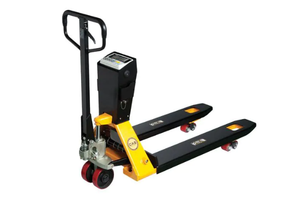
Businesses in Iowa City, Iowa use pallet jack scales to combine load measurement and pallet transport in one practical process. These systems can support receiving, inventory checks, material transfers, order verification and outbound shipping without requiring every pallet to visit a fixed scale.
Scales Sales & Service provides pallet weighing equipment and technical support for organizations across Johnson County. We help customers compare capacities, compatible pallet sizes and available data features, with calibration, maintenance and repair support for dependable performance.
How to Choose a Pallet Jack Scale in Iowa City, Iowa
The correct pallet jack scale should fit the physical load and the required weighing process. Businesses should evaluate typical pallet sizes, maximum weights, measurement tolerances, facility conditions and how recorded data will be used.
Accommodate the heaviest expected loads with an appropriate operating range.
Match scale divisions and performance to the decisions made from the weight.
Confirm compatibility with pallet openings and load dimensions.
Consider floors, aisle space, moisture, sanitation and frequency of use.
Review visibility, operator functions and battery requirements.
Select an approved system when weight determines transaction value.
Available Pallet Scale Options
Depending on the model, pallet jack scales may offer different capacities, fork configurations, indicator functions and communication capabilities. Scales Sales & Service can help Iowa City customers compare compatible options.


Complete Pallet Jack Scale Solutions for Iowa City, IA
Scales Sales & Service supports pallet weighing applications from equipment selection through ongoing service. Our team helps Iowa City customers compare capacity, fork configuration, indicator features and data options before purchasing or renting.
Installation, calibration, preventative maintenance and repair provide continued support after the equipment enters operation, helping facilities maintain reliable measurement performance.

